Medicaid benefits: mandatory vs optional

Federal law divides Medicaid services into two lists: services every state must cover, called mandatory benefits, and services a state may choose to cover, called optional benefits. The mandatory list is the floor. No state can offer less. The optional list is where states differ, and it is where most of the arguments about "what Medicaid covers in my state" actually live.
Mandatory benefits: the floor in every state
Every state Medicaid program must cover inpatient hospital services, outpatient hospital services, physician services, laboratory and X-ray services, nursing facility services, home health services, rural health clinic services, federally qualified health center services, family planning services and supplies, nurse midwife services, certified pediatric and family nurse practitioner services, freestanding birth center services where the state licenses or recognizes them, transportation to medical care, tobacco cessation counseling for pregnant women, and the children's benefit described below. Medication-assisted treatment for substance use disorders is also a mandatory benefit, as are routine patient costs for qualifying clinical trials and concurrent hospice care for children.
Two items on that list deserve emphasis because people often assume they are optional. Nursing facility care is mandatory: Medicaid is the country's main payer for nursing home care, and that is by federal design, not state generosity. Transportation to medical care is also mandatory: if you cannot get to a covered appointment, your state must provide or pay for non-emergency medical transportation, usually through a broker that arranges rides.
Optional benefits: where states choose
States may choose to cover prescription drugs, clinic services, physical, occupational, and speech therapy, respiratory care, podiatry, optometry, dental services and dentures, prosthetics, eyeglasses, chiropractic services, private duty nursing, personal care services, hospice, case management, tuberculosis-related services, inpatient psychiatric services for people under 21, and home and community-based services under various authorities. In practice, every state covers prescription drugs, even though the law lists them as optional, and most states cover many of the rest. But the depth varies enormously.
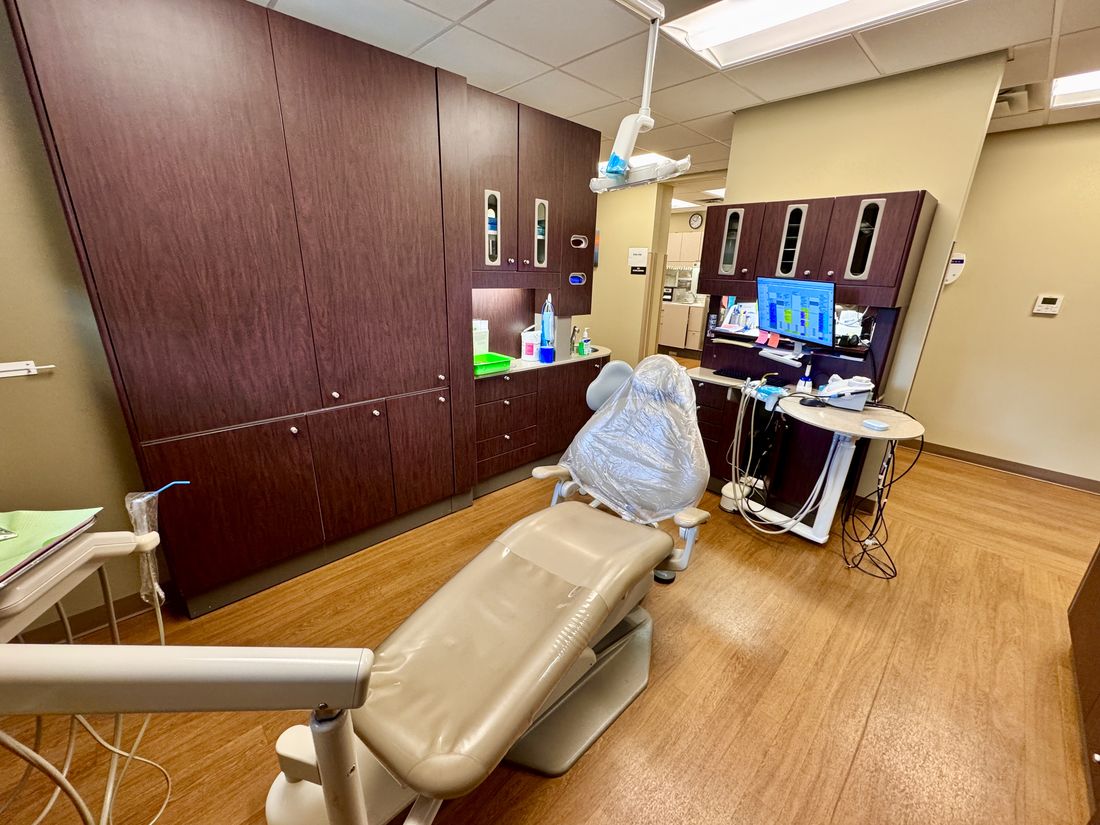
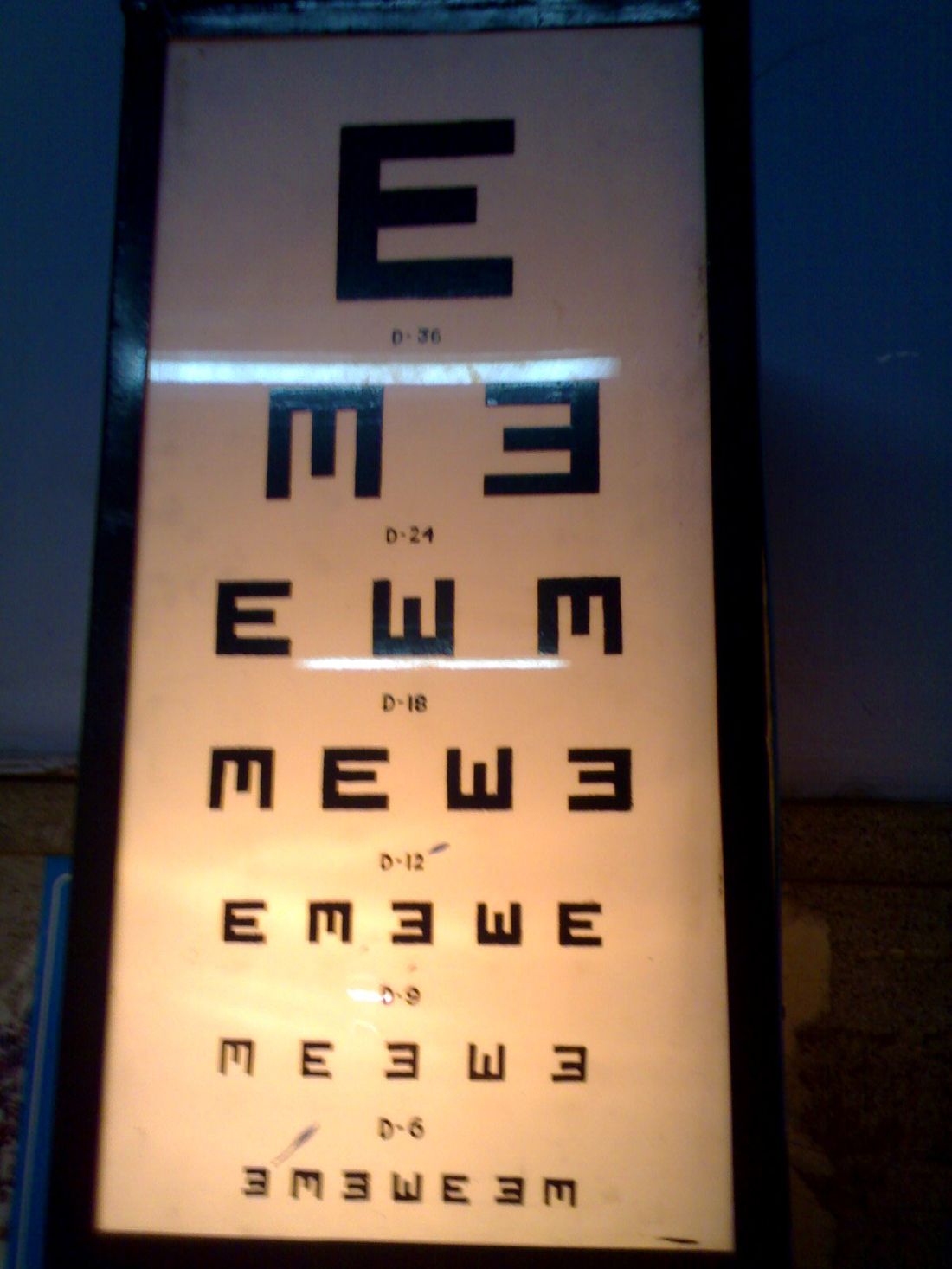
Adult dental care is the classic example. Some states cover comprehensive adult dental care, including crowns and root canals. Others cover only emergency extractions, or nothing at all for adults, while covering children's dental care fully. The same pattern holds for vision, hearing aids, and therapies: a service can be fully covered for children, limited for adults, or absent for adults, all in the same state, all lawfully. Always check the adult version of the benefit, not just the headline that the state "covers dental" or "covers vision."
EPSDT: the children's guarantee
For children and young people under 21, Medicaid provides a benefit called EPSDT: Early and Periodic Screening, Diagnostic, and Treatment. EPSDT requires states to cover periodic screening (including vision, dental, and hearing screening), diagnosis, and any medically necessary treatment to correct or improve a condition found by screening, even if that treatment is a service the state covers only optionally, or not at all, for adults. That is why children's Medicaid is broader than adult Medicaid in every state: the law deliberately gives children the full range of medically necessary care. If a child's doctor says a service is medically necessary, EPSDT is the provision to cite when a plan says it is not covered.
What Medicaid does not cover
Medicaid does not pay for services that are not medically necessary, for cosmetic procedures, for most care received outside the United States, or for services from providers who are not enrolled in Medicaid. It does not cover room and board in most residential settings other than nursing facilities and intermediate care facilities. And it does not pay a provider's full billed charge: it pays the Medicaid rate, and a provider who accepts Medicaid must accept that rate as payment in full for a covered service. A provider may not bill you the difference, a practice called balance billing, which federal rules prohibit for covered services.
Sources: Medicaid.gov, Mandatory & Optional Medicaid Benefits; Medicaid.gov, Early and Periodic Screening, Diagnostic, and Treatment (EPSDT); Social Security Act, section 1905(a).