Medicaid for pregnant women
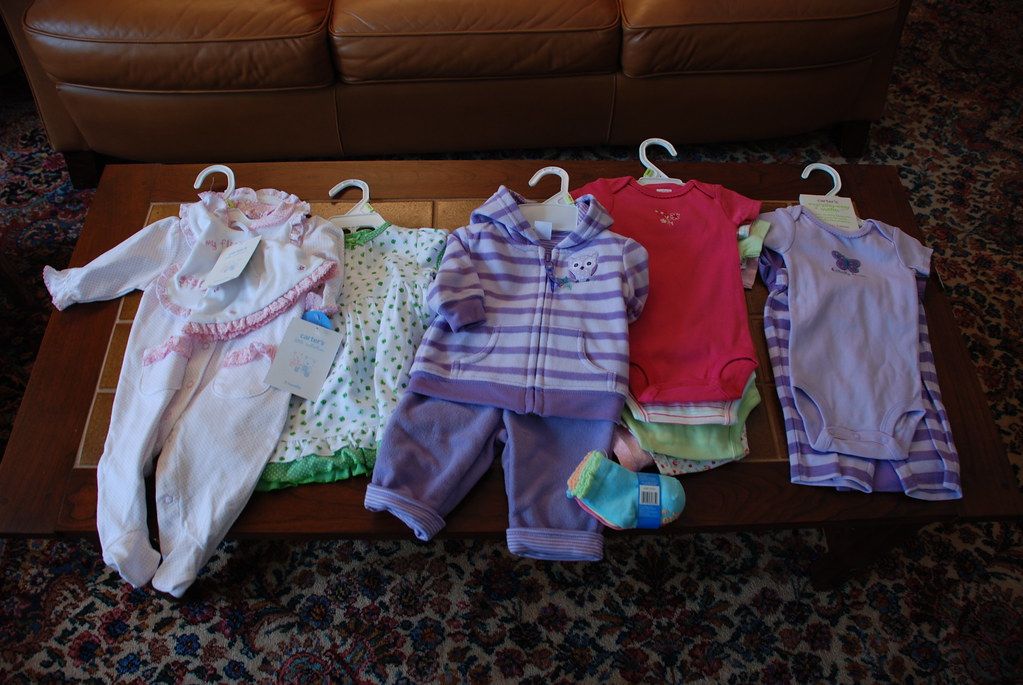
Pregnancy is one of Medicaid's traditional eligibility categories, and it is one of the most generous: higher income limits than for other adults, coverage of the full range of pregnancy-related care, no cost sharing for pregnancy-related services, and, in most states today, a full year of coverage after the pregnancy ends.
Higher income limits during pregnancy
Federal law requires states to cover pregnant women up to at least 133 percent of the federal poverty level, with the 5 percentage point disregard making the effective floor 138 percent, and most states set their pregnancy limits well above that floor. Some states cover pregnant women to 200 percent of the poverty level or more. The household for a pregnant woman counts the expected child: a pregnant woman applying alone is counted as a household of two for the purpose of the income limit, which raises the dollar limit that applies to her. That household rule is easy to miss and worth knowing, because it can be the difference between qualifying and not.
What pregnancy-related coverage includes
Pregnancy-related Medicaid covers prenatal care, labor and delivery, and postpartum care, along with the other Medicaid services the woman qualifies for. Tobacco cessation counseling for pregnant women is a mandatory benefit. Presumptive eligibility, where a qualified provider can grant temporary coverage on the spot while the full application is processed, is available for pregnant women in many states, and it exists so that prenatal care is not delayed by paperwork. If you are pregnant and uninsured, ask the clinic or hospital first about presumptive eligibility, then file the full application.
12 months after the pregnancy ends
Before recent reforms, pregnancy-related Medicaid in most states ended just 60 days after delivery, leaving new mothers uninsured during a period when complications, mental health needs, and the transition to ongoing care are common. Federal law now gives states the option to extend postpartum coverage to a full 12 months after the end of pregnancy, and most states have adopted that option. During those 12 months, coverage continues regardless of changes in income or household circumstances. Because adoption is a state choice, confirm that your state has adopted the 12-month extension and the exact end date of your coverage, and do not assume the old 60-day rule still applies in your state, or that the 12-month rule applies if your state has not adopted it.
After postpartum coverage ends
When postpartum coverage ends, your state must check whether you qualify for Medicaid under another category before ending your coverage: as a parent, as an expansion adult, or through another pathway. If you do not qualify, your application must be transferred to the marketplace, where you may qualify for premium tax credits. The gap that matters most is in non-expansion states, where a mother whose postpartum coverage ends may have no Medicaid category left and an income too low for marketplace subsidies. If that is your situation, ask the agency explicitly about every category, and check whether your state has a family planning or limited-benefit program that covers at least some ongoing care.
For pregnant applicants: three things to check
1. Your household size includes the expected child. 2. Your state's pregnancy income limit is higher than the adult limit, so check the pregnancy figure specifically. 3. Your state's postpartum period is 12 months in most states now, but confirm it in yours.
Sources: Medicaid.gov, Medicaid for Pregnant Women; Centers for Medicare & Medicaid Services, maternal health guidance; American Rescue Plan Act of 2021 and Consolidated Appropriations Act, 2023 (postpartum option); 42 C.F.R. section 435.603 (household rules).